AI Food Photography: How It Works and Why Restaurants Are Switching
How AI food photo enhancement works, what makes it different from traditional photo editing, and why thousands of restaurants are using AI to create professional menu images.
What Is AI Food Photography?
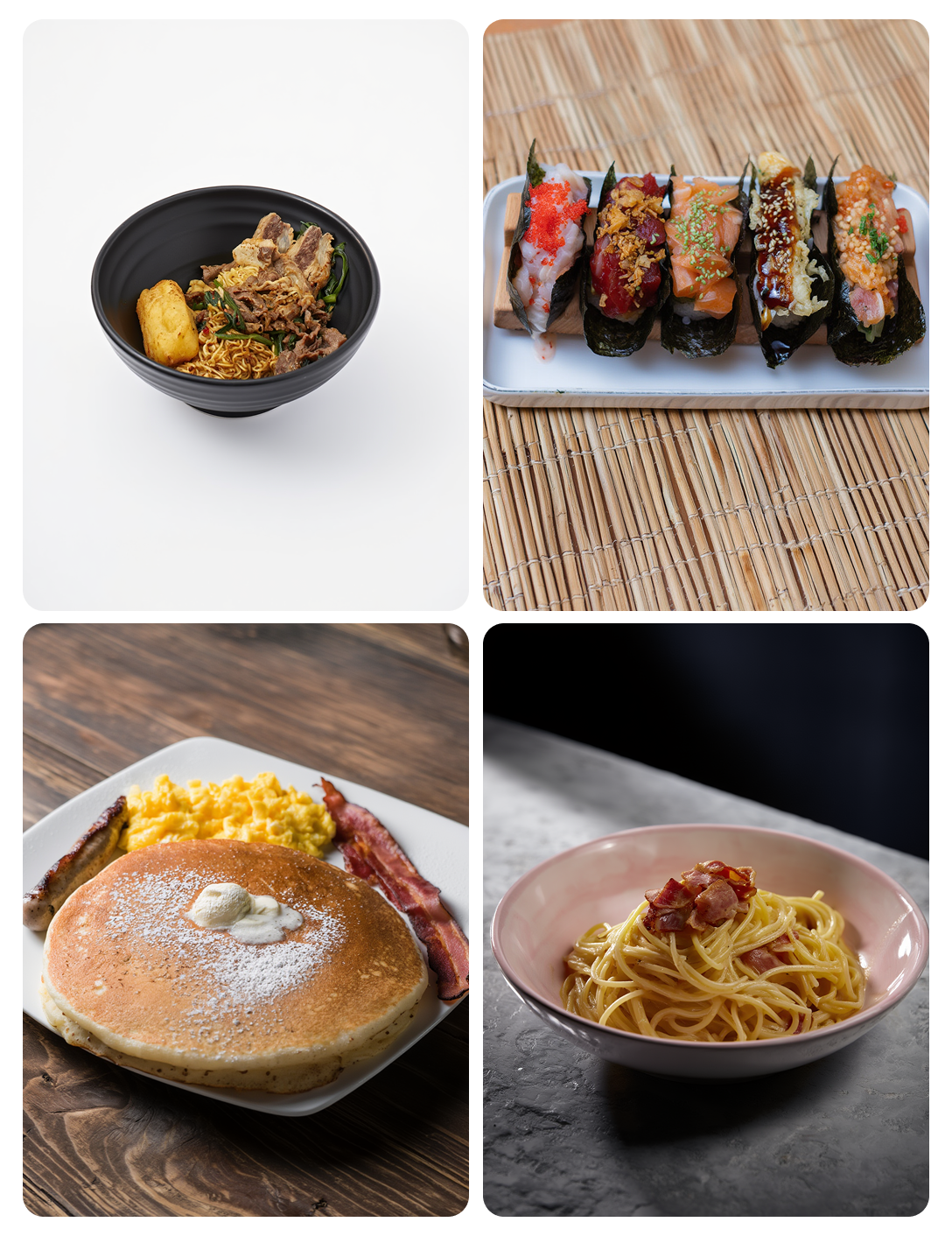
AI food photography refers to using artificial intelligence to transform ordinary food photos into professional, studio-quality images. Unlike traditional photo filters or basic editing tools that adjust brightness and contrast, AI food photo enhancers understand what professional food photography looks like and can re-imagine your dish in a completely new setting — with proper lighting, clean backgrounds, and appetizing presentation.
The core technology behind AI food photography is a type of generative AI model trained on millions of professional food images. When you upload a photo of your dish, the AI analyzes the food item, understands its shape, color, and texture, and generates a new image that preserves your actual dish while placing it in a professional photography setting.
How RestoPhoto's AI Enhancement Works
RestoPhoto uses a three-step process:
Step 1: Upload Your Photo
Take a photo of your dish with your phone. It doesn't need to be perfect — the AI works with photos taken in any lighting condition, on any background, and from any angle. A basic phone photo under kitchen lighting is all you need.
Step 2: Choose a Theme
Select from professional photography themes that determine the style of your final image:
- White Clean — bright, airy backgrounds with soft natural lighting, ideal for modern menus and websites
- Dark Moody — dramatic lighting on dark surfaces, popular for upscale restaurants and social media
- Rustic — warm tones with natural wood and textured surfaces, perfect for casual dining and farm-to-table restaurants
- Bamboo — natural bamboo mat or Asian-inspired surfaces, suited for Asian cuisine and health-focused restaurants
Step 3: Generate
In seconds, the AI generates multiple variations of your dish in the chosen style. Each image is a unique, high-resolution photo ready for your menu, delivery apps, website, or social media.
How Is AI Different From Photo Editing?
Traditional photo editing (Photoshop, Lightroom, Snapseed) modifies your existing photo — adjusting exposure, color balance, and cropping. The result is limited by the quality of your original shot. If the lighting was bad, the background was cluttered, or the angle was unflattering, no amount of editing can fully fix those issues.
AI food photography is fundamentally different. It doesn't just edit your photo — it generates a new image that faithfully represents your dish in a professional photography environment. The AI effectively "re-shoots" your food in a virtual studio with ideal lighting, surfaces, and composition.
This means you get professional results even if your original photo was taken under fluorescent kitchen lights with a messy prep counter in the background.
Why Restaurants Are Switching to AI
Cost Savings
A professional food photographer charges $500 to $2,000 per session. With a new menu launch or seasonal changes, photography costs add up quickly. AI food photo enhancement costs a fraction of that — often less than $1 per image — making professional photography accessible to restaurants of any size.
Speed
Traditional food photography involves scheduling a photographer, preparing dishes for the shoot, waiting for edited files (often 1-2 weeks), and requesting revisions. AI generates studio-quality images in seconds. When you add a new menu item, you can have professional photos ready before the dish even launches.
Consistency
One of the biggest challenges with traditional food photography is maintaining visual consistency across your entire menu. Different photographers, different shooting days, and different lighting conditions result in photos that look mismatched. AI generates all images in the same style, creating a cohesive and professional look across your entire menu.
Accessibility
Not every restaurant has the budget for professional photography. Small restaurants, food trucks, new startups, and independent operators can now have the same quality of food images as major chains — without the major chain budget.
Does AI-Generated Food Photography Look Realistic?
Modern AI food photography models produce remarkably realistic results. The generated images preserve the authentic appearance of your actual dish — the same ingredients, portions, and plating — while enhancing the environment, lighting, and presentation.
However, the quality of the output depends on the quality of the input. While AI can work with imperfect photos, starting with a reasonably well-lit, focused photo of your dish produces the best results. This is why combining good basic photography habits with AI enhancement delivers the strongest outcome.
Getting Started
If you're interested in trying AI food photography for your restaurant, RestoPhoto offers a free tier with 6 images per month — enough to test the technology with a few of your dishes before committing to a paid plan. Simply upload a photo, choose a theme, and see the results in seconds.
Ready to transform your food photos?
Try RestoPhoto free — turn any phone photo into a professional menu-ready image in seconds.